
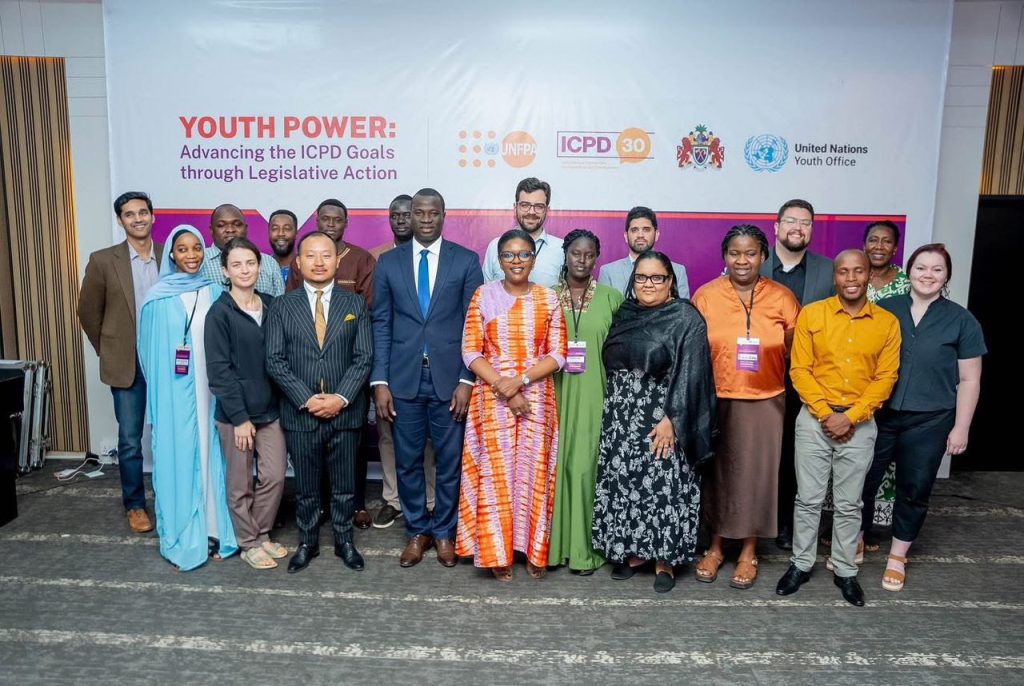
On December 3–5, 2024, the city of Banjul, The Gambia, played host to a transformative international gathering of young parliamentarians and youth leaders from around the world. The forum, focused on advancing the Youth, Peace and Security (YPS) agenda and the International Conference on Population and Development (ICPD 30) goals, marked a pivotal moment for global youth advocacy, peacebuilding, and inclusive development.
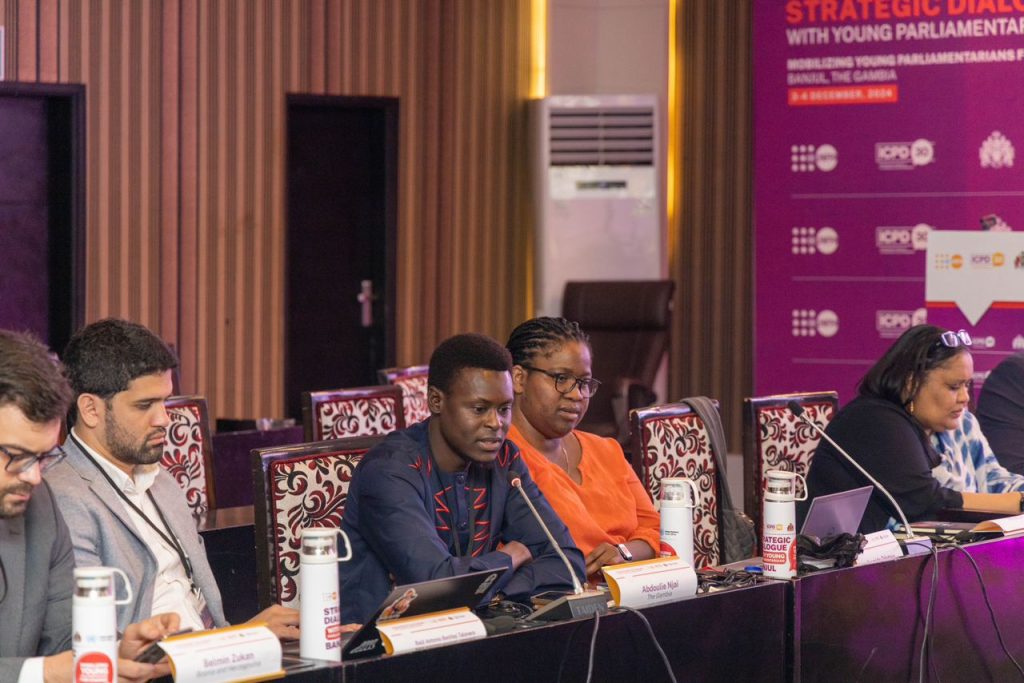
Representing ECOLUM – The Ecology and Environmental Luminaries, Hon. Abdoulie Njai joined peers and global actors in dialogue to reaffirm the role of youth in shaping peace, policy, and sustainable development pathways. As an organization rooted in ethical leadership, environmental justice, and civic empowerment, ECOLUM’s participation reinforced the connection between climate resilience, peacebuilding, and youth-centered governance.
ECOLUM’s Vision in Action
At the heart of ECOLUM’s mission is the belief that sustainability is inseparable from social equity and participatory governance. Hon. Njai, founder and Executive Director of ECOLUM, brought this vision to life during his keynote and thematic discussions at the forum, highlighting how climate justice and peace are interlinked pillars of a resilient future.
Drawing on ECOLUM’s local and international engagements, Hon. Njai emphasized:
- The necessity of intergenerational collaboration in achieving the YPS agenda;
- The integration of environmental concerns in peace and development strategies;
- And the centrality of youth-led innovation and accountability mechanisms in governance systems.
Referencing his recent diplomatic experiences in Benin and Oslo, Hon. Njai noted that the global stage increasingly recognizes Africa’s young leaders as indispensable agents of change. “In Oslo, we explored inclusive transitions toward peace in fragile contexts. In Benin, I saw firsthand how grassroots advocacy can influence policy. Today, in Banjul, we consolidate those lessons into a shared framework for youth empowerment and sustainable peace,” he stated.
The Banjul forum underscored a growing global consensus: young people are not just beneficiaries of peace — they are co-creators. With rising global crises, from environmental degradation to conflict and displacement, youth must be included not only in consultations but also in decision-making and implementation.
ECOLUM’s programming, which combines climate adaptation, civic education, and ethical leadership training, aligns directly with this vision. Through grassroots community mobilization, the organization supports:
- Environmental stewardship as a form of conflict prevention;
- Climate mitigation projects that employ and empower youth;
- And inclusive platforms for policymaking that integrate young voices from rural and urban settings.
The ICPD30 agenda — a bold, human-centered development framework — places significant emphasis on gender equity, universal health access, youth leadership, and population resilience. Hon. Njai articulated how ECOLUM’s integrated model supports these pillars.
He cited ECOLUM’s collaboration with local partners to:
- Advocate for mental health and SRHR services for young people;
- Support green jobs and skills development programs for underserved communities;
- Promote gender-inclusive climate actions through policy dialogues and awareness campaigns.
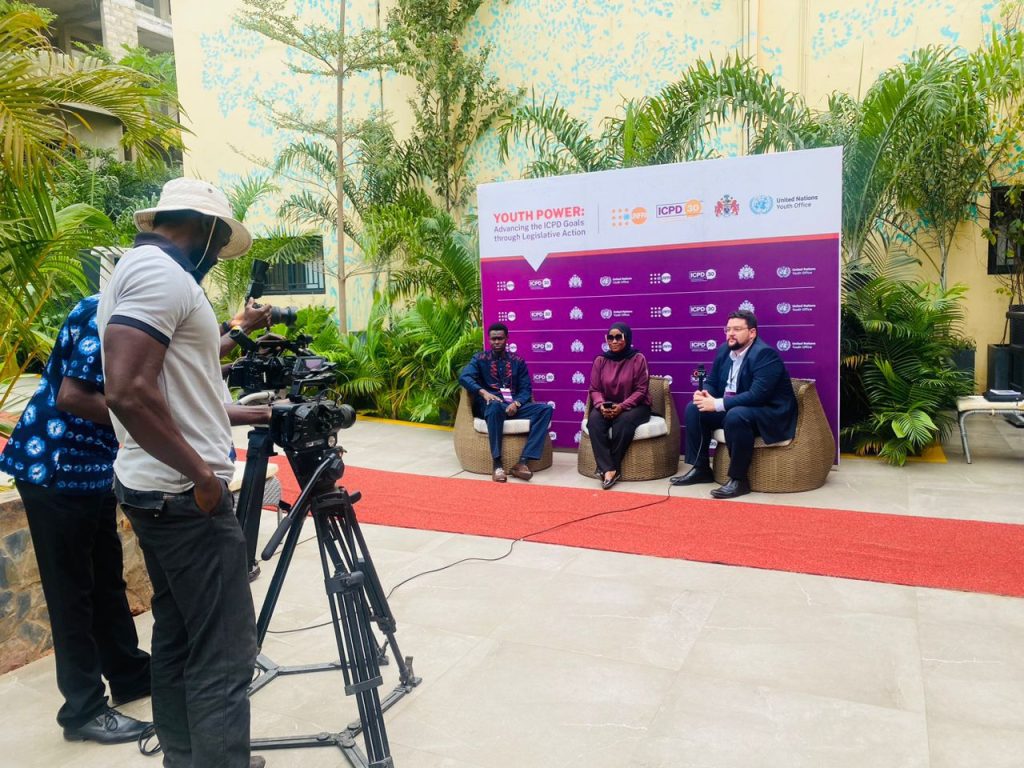
“We must not treat climate, peace, and human rights as isolated goals. The ICPD30 principles offer us a coherent lens to see them as mutually reinforcing,” Hon. Njai affirmed.
ECOLUM extends sincere appreciation to UNFPA The Gambia, under the dynamic leadership of Ms. Rose Sarr, for their tireless efforts in advancing youth inclusion, reproductive justice, and population development. UNFPA’s facilitation of this forum demonstrates their continued leadership in making the ICPD framework actionable and youth-responsive.
We also commend Peace Hub The Gambia and the National Youth Parliament for their consistency in creating space for young voices to be heard, understood, and implemented in national and international policy. These institutions, much like ECOLUM, are models of homegrown solutions to global challenges.